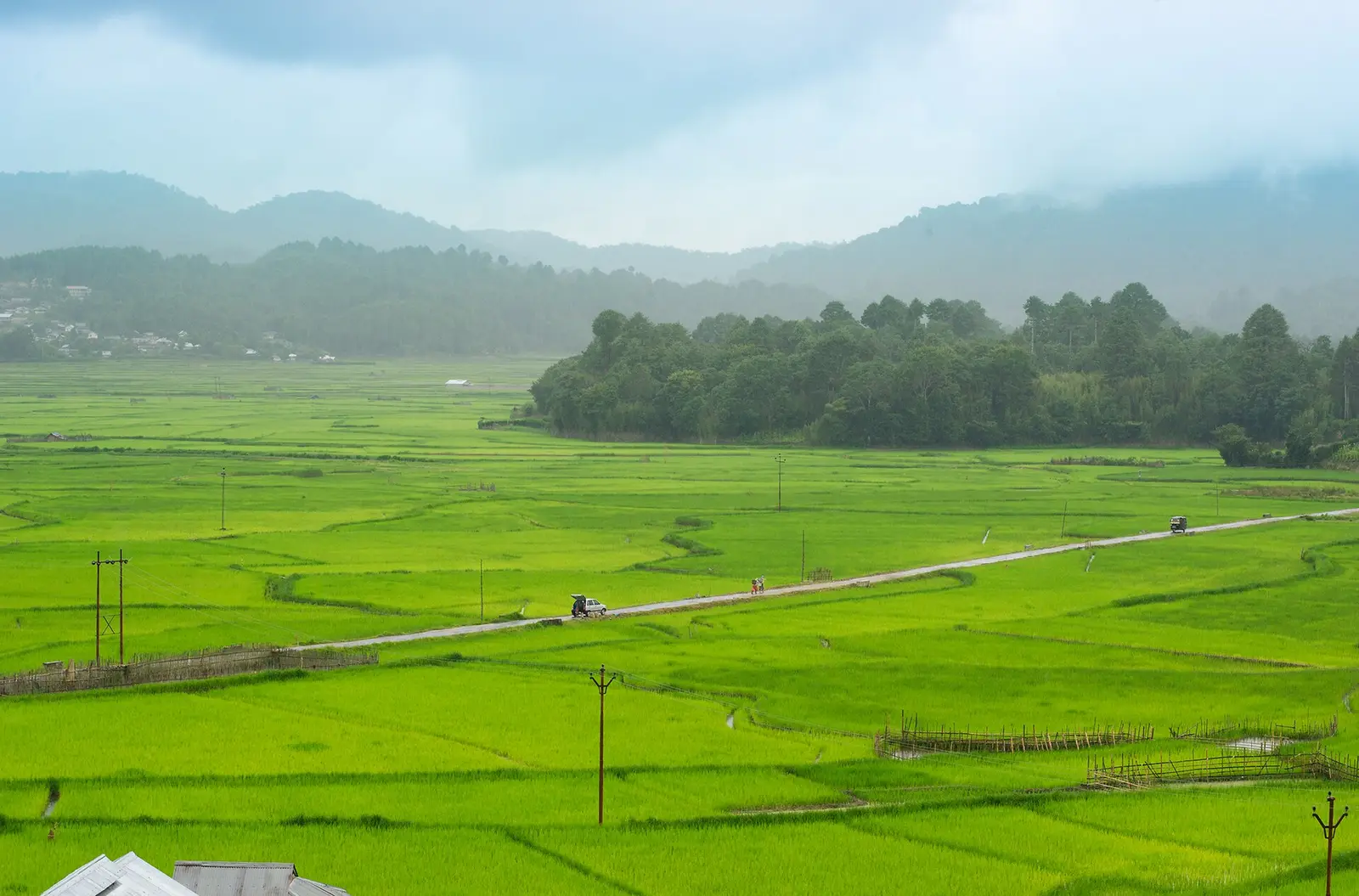
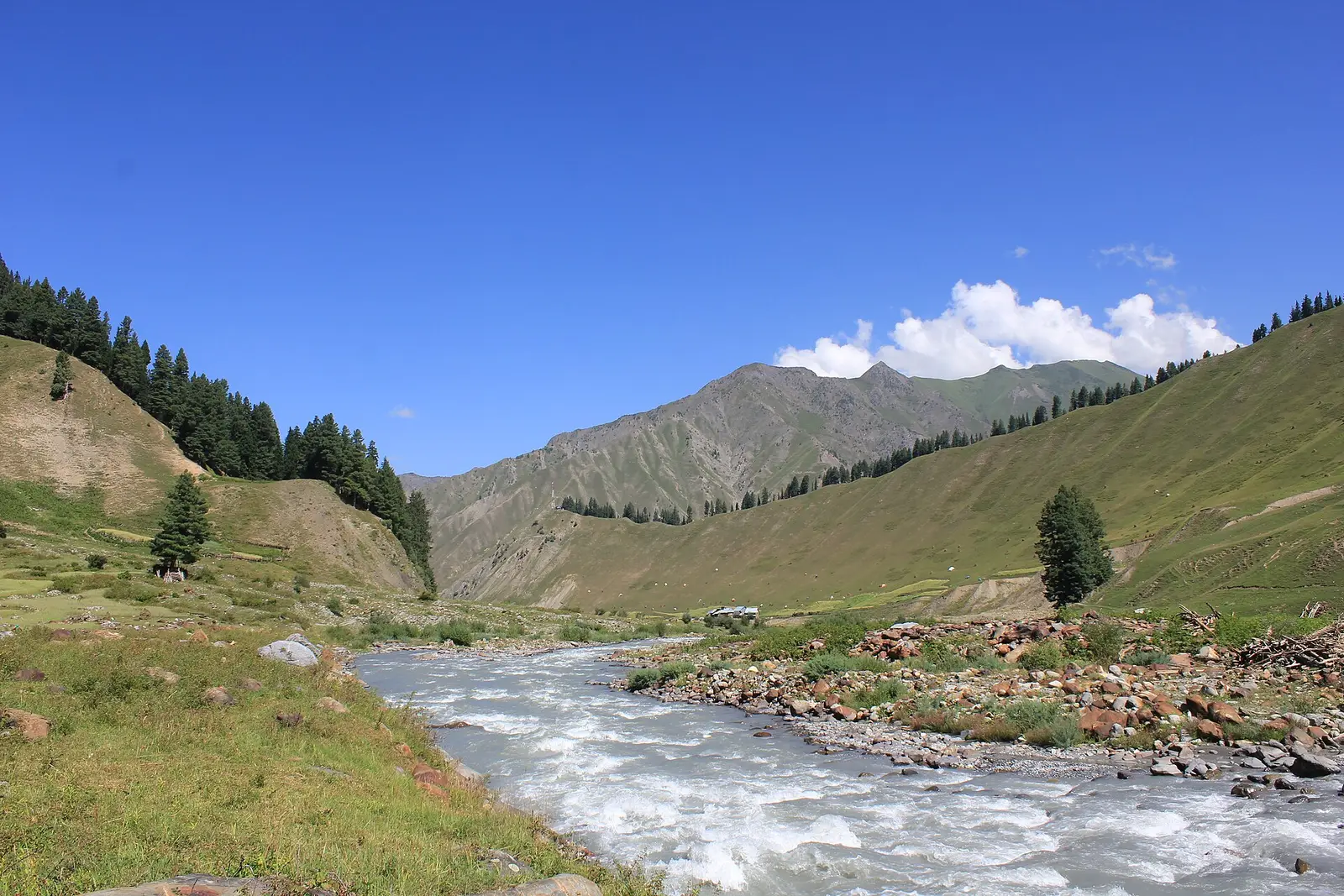
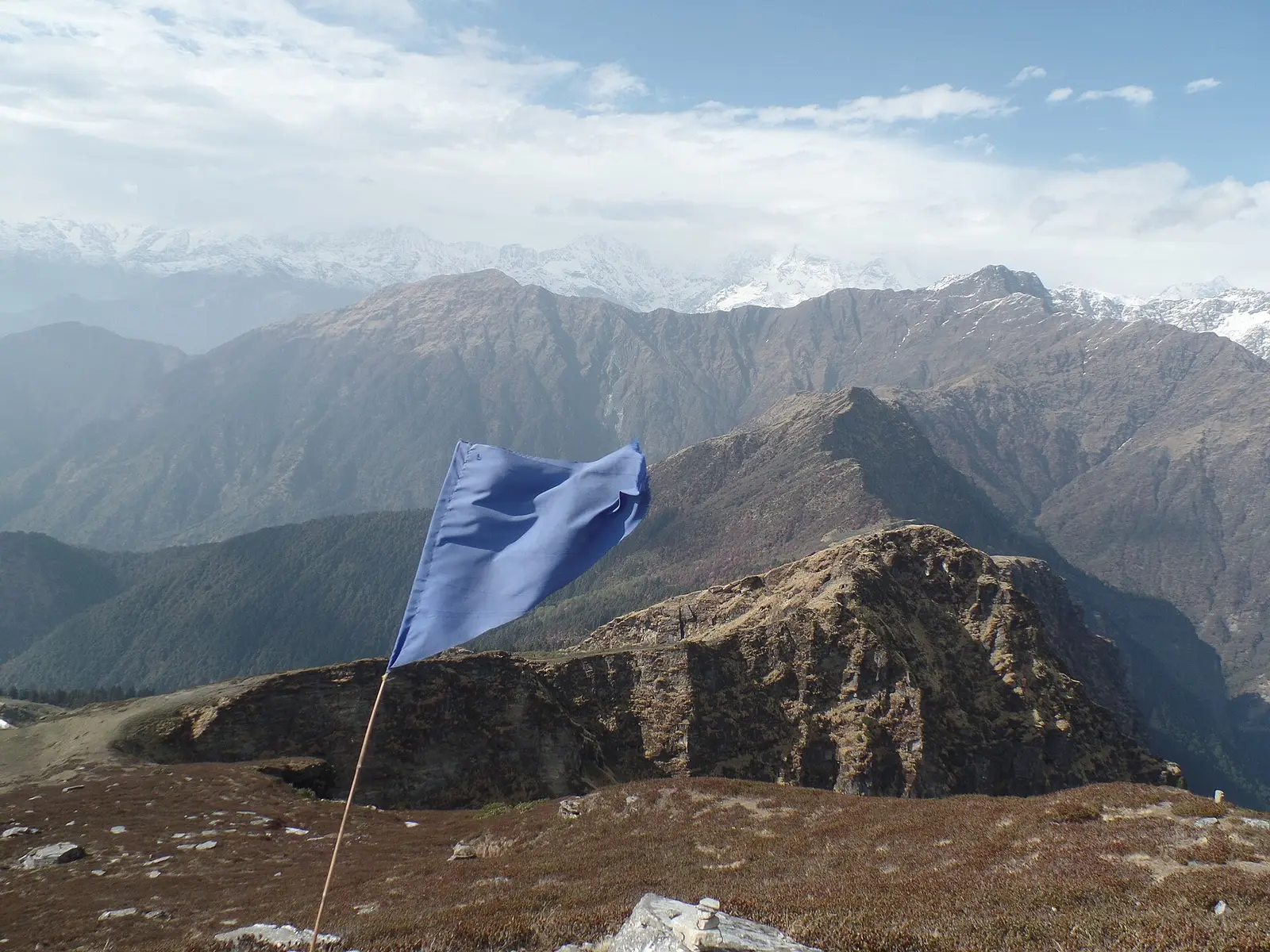
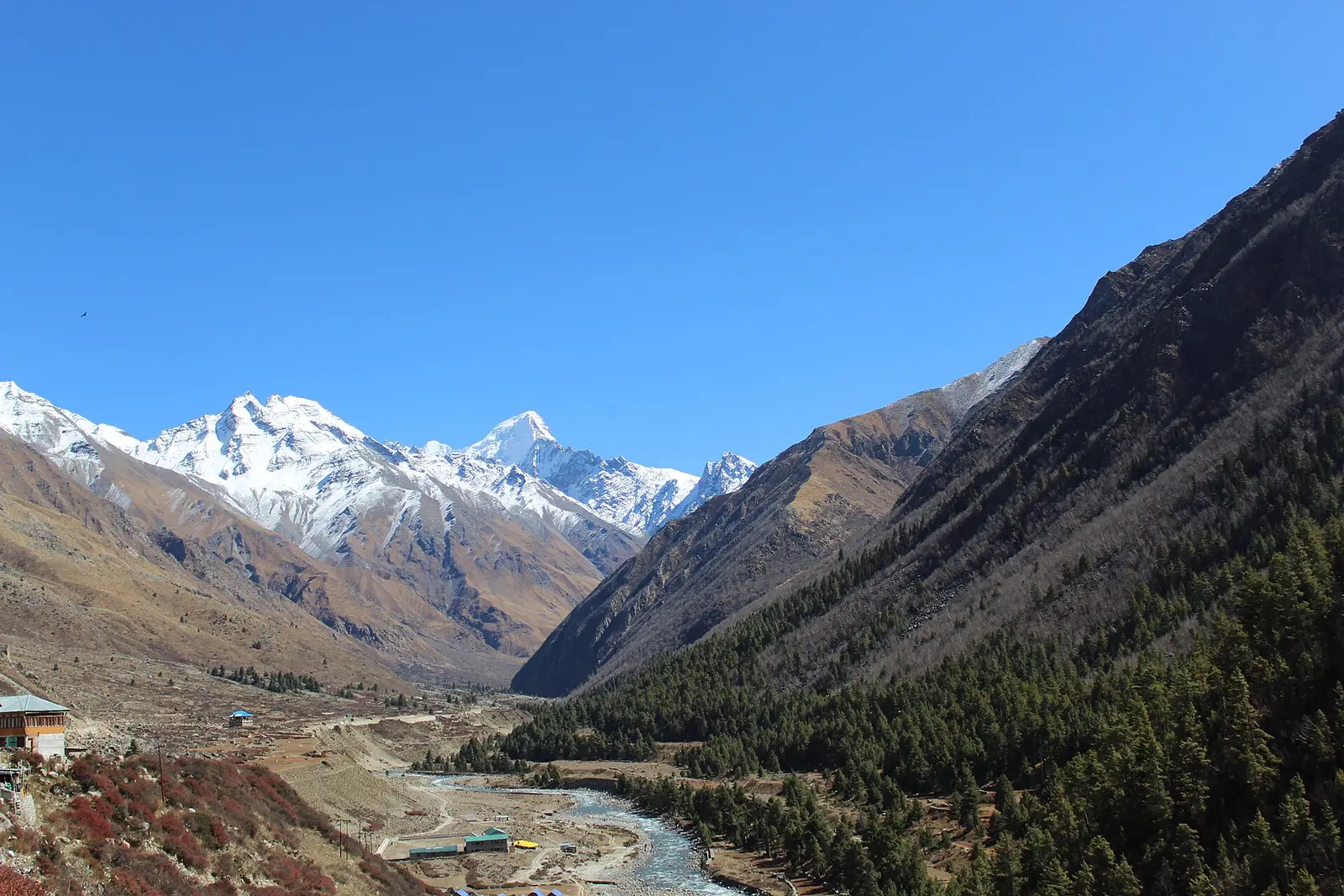
 Photo: Smathur910 · CC BY-SA 4.0
Why is Chitkul special?
Chitkul is a village at about 3,450 metres in Himachal Pradesh's Kinnaur district, often described as the last inhabited village on the Indian side of the old Hindustan–Tibet road. It sits at the head of the Baspa valley, near the border with Tibet.
What makes it worth the long drive is the setting. The Baspa river runs wide and clear past the village, flanked by meadows, birch and pine, with snow peaks on every side. Houses are built in the traditional Kinnauri style of stone and deodar wood with slate roofs, and the village temple to Mathi Devi has fine wood carving.
Chitkul is also small. You can walk from one end to the other in minutes, and the pleasure is in slowing down: a walk along the river, chai at the dhaba that calls itself the last one in India, and evenings that go quiet early.
It is the natural end point of a trip through the Sangla valley, which most travellers combine with Sangla and Rakcham. If you like the slower pace of places like Tirthan Valley but want higher, wilder scenery, Chitkul fits.
When is the best time to visit Chitkul?
The best time to visit Chitkul is May–June and September–October, when the road is open and the weather is clear. Winter brings heavy snow, and the village is largely cut off for several months.
- April–June: snow melts off the meadows and orchards blossom. Days are pleasant, nights cold. Peak season for Indian families.
- July–August: the monsoon brings landslide risk on the Shimla–Kinnaur highway (NH5). Kinnaur gets less rain than lower Himachal, but road closures are common. Travel only with buffer days.
- September–October: the clearest skies, autumn colours and apple harvest in the Sangla valley. Many consider this the best window.
- November–March: heavy snowfall. Most homestays close and the Sangla–Chitkul road is often blocked. Check current road status before planning anything in late autumn or early spring.
Night temperatures can drop near freezing even in May and October, so pack warm layers whatever the month.
How do you reach Chitkul from Mumbai?
The most practical route from Mumbai is to fly to Chandigarh, drive to Shimla, and continue by road to Sangla and Chitkul. Plan at least two days of travel each way from Chandigarh, with a night halt on the way.
By air
Chandigarh has regular non-stop flights from Mumbai (roughly 2.5 hours). Shimla's Jubbarhatti airport has a few small regional flights, but they are limited and weather-dependent. Check Mumbai–Chandigarh fares.
By rail
Take a train from Mumbai to Chandigarh or Kalka, then the Kalka–Shimla toy train if you have time. From Shimla, it is road only.
By road
Chandigarh to Shimla is about 115 km (3–4 hours). From Shimla, the route runs via Narkanda and Rampur Bushahr to Karcham, where you turn off for Sangla. Shimla to Chitkul is roughly 240 km and takes 8–10 hours, depending on road conditions. Sangla to Chitkul is the last 25 km or so.
A sensible plan is Chandigarh to Narkanda or Sarahan on day one, then on to Sangla or Chitkul on day two. HRTC buses run from Shimla and Rampur to Sangla and Chitkul, but schedules are limited and slow. A hired taxi with a driver who knows Kinnaur roads is the better option.
Where to stay in Chitkul and the Sangla valley
Chitkul has homestays, small guesthouses and seasonal riverside camps. If you want more choice and comfort, stay in Sangla or Rakcham and visit Chitkul for a day.
- Chitkul village: simple guesthouses and homestays with basic heating. Best for an authentic stay and early-morning walks. Hot water and power can be irregular.
- Rakcham: about 10 km before Chitkul, with riverside camps and small hotels. A good middle ground.
- Sangla: the largest base in the valley, with more hotels, restaurants and better connectivity.
We can help you find stays in Sangla and Shimla to break the journey comfortably.
What are the best things to do in Chitkul?
Chitkul is about walking, river views and village life rather than sightseeing checklists. The highlights are the Baspa riverbank, the Mathi Devi temple, short hikes up the valley and the drive itself through the Sangla valley.
Walk along the Baspa
Follow the trail from the village down to the river and upstream through meadows. Early morning, before the wind picks up, is the best time.
Mathi Devi temple and the old village
The temple to the local goddess is said to be several hundred years old. Respect any restrictions on entry and photography.
Short hikes
Easy walks lead up the valley towards the ITBP post area, where civilian movement is restricted beyond a point. Follow local guidance and do not try to go further than allowed.
Sangla, Kamru and Rakcham
In Sangla, visit the Kamru fort and temple complex above the town. Rakcham, with its boulders and river flats, is a good photo stop between Sangla and Chitkul.
Kalpa and beyond
If you have more days, continue from Karcham to Reckong Peo and Kalpa for views of the Kinner Kailash range. Some travellers go further into Spiti, which needs more planning and acclimatisation.
What food should you try in Chitkul?
Food in Chitkul is simple, hearty and mostly vegetarian: rajma-chawal, dal, roti, Maggi, momos and thukpa. Local produce is the star.
- Chitkul potatoes: the village is known for its potatoes, grown on the terraces around it.
- Rajma and local pulses: often grown in Kinnaur and served at most dhabas.
- Kinnauri apples and dry fruits: apples in season, plus chilgoza pine nuts and dried apricots sold in Sangla and Reckong Peo.
- Butter tea and thukpa: good on a cold evening.
How to travel responsibly in Chitkul
Chitkul is fragile and has seen a sharp rise in visitors. Keep your footprint light.
- Carry back all plastic, especially bottles and chip packets. Waste disposal is difficult at this altitude.
- Do not camp, light fires or drive on meadows unless at an authorised site.
- Respect temple rules, and ask before photographing locals.
- Acclimatise properly. At about 3,450 metres, mild headache and breathlessness are common. Drink water, avoid alcohol on the first night and descend if symptoms worsen.
- Indian citizens do not usually need a permit for Chitkul, but rules near the border can change, so check before you go.
Sample 3-day Chitkul plan (from Shimla)
Three days from Shimla is the minimum for a relaxed Chitkul trip. Add a day each way if you are starting from Chandigarh.
- Day 1: Shimla to Sangla via Narkanda, Rampur and Karcham. Stop for lunch on the way. Evening walk in Sangla town.
- Day 2: morning visit to Kamru fort, then drive to Chitkul with a stop at Rakcham. Afternoon river walk and overnight in Chitkul.
- Day 3: sunrise walk along the Baspa, then drive back towards Shimla, or continue to Kalpa for the Kinner Kailash views.
Chitkul pairs well with a longer Himachal holiday. Our Manali tour package from Mumbai covers the Kullu side, and our team can build a custom Kinnaur route with flights and a driver — share your dates on WhatsApp.