 Photo: Udit Kapoor · CC BY-SA 4.0
Why is Majuli Island special?
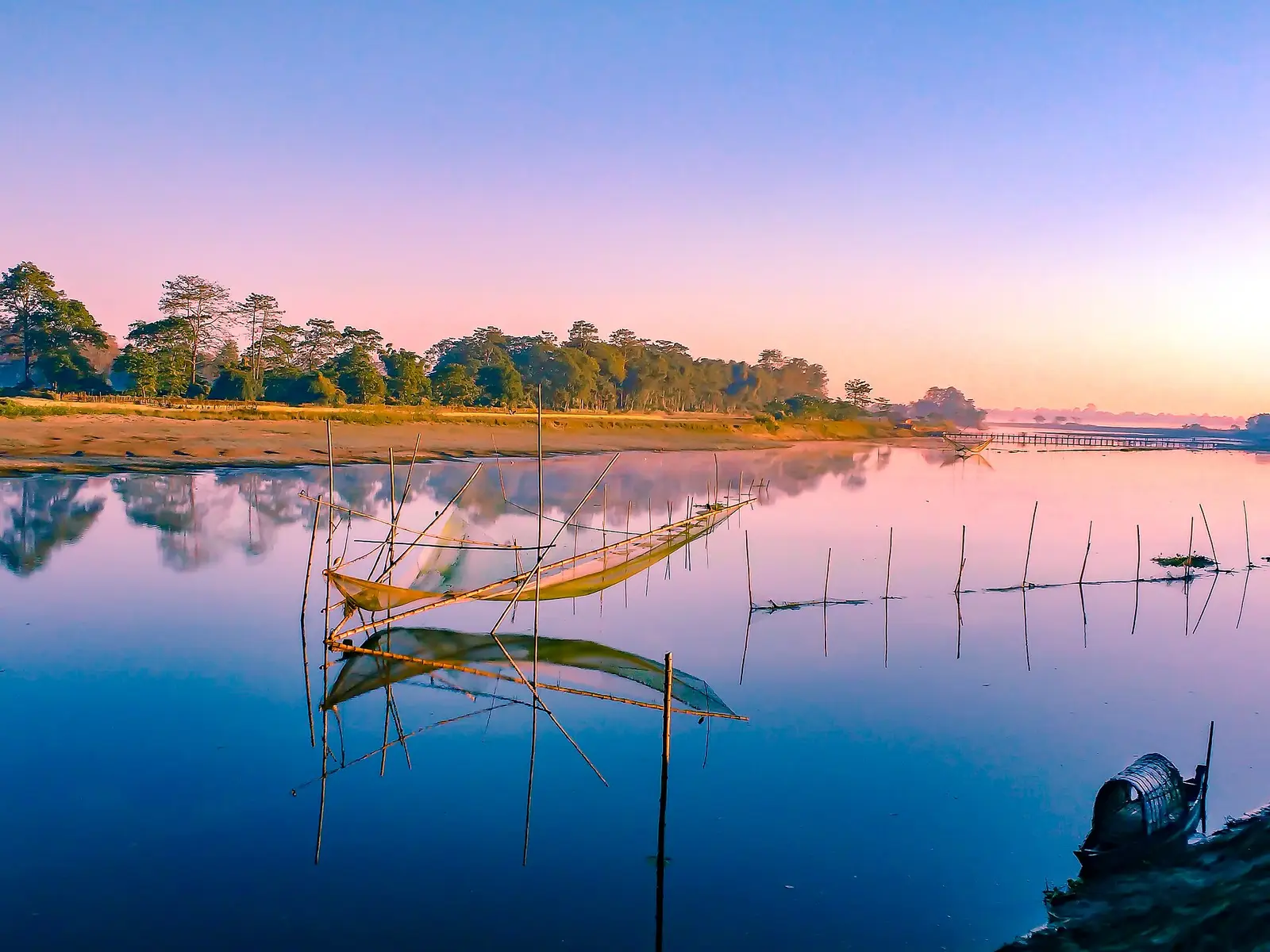
Majuli is a huge, flat island in the middle of the Brahmaputra in upper Assam, often described as the world's largest river island. It is special as the heart of Assamese neo-Vaishnavism: its satras, monasteries founded in the tradition of the 15th–16th century saint Srimanta Sankardev, still keep alive dance, drama, music and mask-making traditions.
Sankardev and his disciple Madhavdev are said to have met in Majuli, and the satras that grew from their movement turned the island into a cultural centre. Each satra is a compound of prayer hall (namghar), monks' quarters and courtyards, and several are known for a particular art: Sattriya dance, devotional theatre called bhaona, or the large painted masks used in it.
Alongside the satras live the Mising community, who build houses on stilts to cope with annual floods, weave fine textiles and brew rice beer. Majuli also became India's first river-island district in 2016. Erosion has shrunk the island dramatically over the past century, from well over 1,000 sq km to roughly half that today, which gives a visit here a real sense of urgency.
When is the best time to visit Majuli?
The best time to visit Majuli is October to March, when the weather is dry and mild and the ferries run most reliably. November is the highlight, when the island celebrates Raas Mahotsav.
- October–November: Post-monsoon green, pleasant days and Raas Mahotsav, a multi-day festival of Krishna-themed performances in the satras, usually around the full moon of the Kartik month.
- December–February: Cool and foggy mornings, comfortable afternoons and migratory birds on the wetlands. Pack a jacket for nights.
- March–May: Warmer and more humid, with pre-monsoon showers. Still visitable.
- June–September: Monsoon and floods. Large parts of the island can go under water, and ferry services may be disrupted. Avoid unless you have local contacts.
How do you reach Majuli from Mumbai?
Fly from Mumbai to Jorhat (usually with one stop) or to Guwahati, get to Nimati Ghat near Jorhat, and take the ferry across the Brahmaputra to Majuli. The crossing takes roughly an hour, sometimes more depending on the river.
Mumbai to Jorhat
Jorhat's airport is about 20–25 km from Nimati Ghat. Flights from Mumbai usually connect via Kolkata, Delhi or Guwahati. If schedules do not suit you, Dibrugarh is a second option, a few hours further by road. Compare fares on our flights page.
Via Guwahati
Guwahati has direct flights from Mumbai. From there, Jorhat is roughly 300 km, about 6–7 hours by road, or a day train ride. Spend a night in Jorhat and catch a morning ferry.
The ferry
Ferries run several times a day between Nimati Ghat and Kamalabari or Aphalamukh Ghat on Majuli. They carry passengers, bikes and cars. Timings change with season and water levels, and the last ferry can leave by mid-afternoon in winter, so check the day's schedule locally. A road bridge from the Jorhat side has been under construction; until it opens, the ferry is the standard route.
From the ghat, shared vehicles and taxis take you to Kamalabari or Garamur, the two main hubs, about 15–30 minutes away.
Where should you stay in Majuli?
Stay in a bamboo cottage or a Mising-run homestay around Garamur or Kamalabari. These are simple, friendly and put you close to the satras.
- Garamur and Kamalabari: The main clusters of guesthouses and homestays, with small markets and eateries.
- Mising villages: Stilt-house homestays with home-cooked meals. Basic but memorable.
- Satra guest rooms: Some satras host guests, usually with prior arrangement and strict house rules. Ask in advance.
Facilities are modest: expect fans rather than air-conditioning, intermittent power and limited card payments. Carry cash. Mosquito repellent is essential, especially near the wetlands at dusk. Jorhat has a wider range of hotels if you want a more comfortable night before the morning ferry.
What are the best things to do in Majuli?
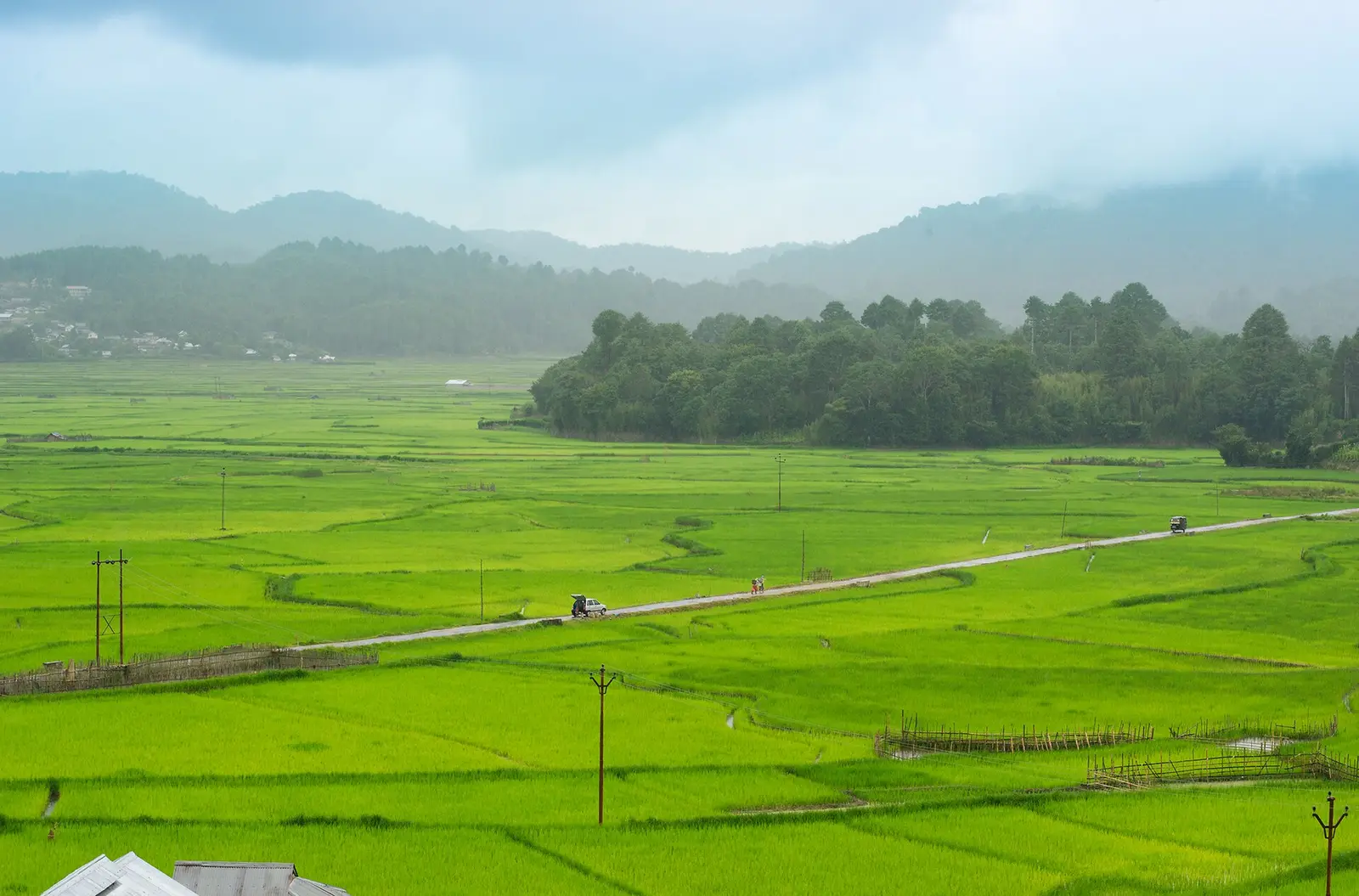
The best way to experience Majuli is to visit a few satras, watch mask-makers and potters at work, cycle through Mising villages and the paddy fields, and catch sunset over the Brahmaputra.
- Auniati Satra: One of the most prominent satras, with a small museum of old utensils, manuscripts and artefacts.
- Kamalabari and Natun Kamalabari Satras: Known for Sattriya dance and music. If you are lucky, you may see monks practising.
- Samaguri Satra: Famous for mask-making. Artisans craft masks from bamboo, clay and cloth for bhaona performances, from small face masks to towering figures.
- Dakhinpat and Garamur Satras: Important centres for Raas Mahotsav and older satra traditions.
- Salmora village: Known for pottery shaped by hand without a wheel, and for traditional boat-making.
- Mising villages: Walk or cycle past stilt houses and handlooms; weavers often sell textiles directly.
- Birdwatching and sunset: The wetlands draw migratory birds in winter, and the riverbank is lovely at dusk.
Satras are living institutions, not museums, so timings for prayers, performances and visits vary. Mornings and late afternoons are usually the best times to visit, and a small donation is customary. If you hope to see a Sattriya dance or bhaona performance outside the festival season, ask your homestay host to check with the satra a day in advance.
What food should you try in Majuli, and how do you travel responsibly?
Try a Mising meal of rice, fish or pork, greens and rice beer, and a classic Assamese thali with khar, masor tenga (sour fish curry) and pitika (mashes). Satra food is strictly vegetarian.
- Apong: Mising rice beer, mild and slightly sweet, served at homestays.
- Purang apin: Rice steamed in leaf parcels, a Mising speciality.
- Fish and pork dishes: Smoked, fried or cooked with bamboo shoot and herbs.
- Pitha: Rice cakes, especially around festivals.
Responsible travel
- Satras are religious institutions. Dress modestly, remove footwear in prayer halls and ask before photographing monks or rituals.
- Do not handle masks or artefacts without permission. Buy directly from the artisans if you want one.
- Avoid single-use plastic. Majuli's ecosystem is fragile and waste disposal is limited.
- Ask before entering a stilt house, and do not treat Mising homes as photo backdrops.
How many days do you need in Majuli? A sample 3-day plan
Two to three days on the island is ideal, plus a night in Jorhat on arrival. That gives you time for satras, crafts and villages without a rush.
- Day 1, Jorhat to Majuli: Morning ferry from Nimati Ghat, check into your homestay, visit Kamalabari Satra in the afternoon and watch sunset by the river.
- Day 2, satras and masks: Auniati Satra in the morning, Samaguri Satra for mask-making after lunch, and Garamur in the evening.
- Day 3, villages: Cycle through Mising villages, stop at Salmora for pottery and take an afternoon ferry back to Jorhat.
Majuli pairs easily with Kaziranga and the rest of the North-East. Combine it with our Meghalaya tour package from Mumbai, or read about Ziro Valley next door in Arunachal. For a custom plan with flights and ferry timings worked out, send us your dates.