 Photo: Ingo Mehling · CC BY-SA 4.0
The best time to visit most of India is October to March, when the weather is cool and dry across the plains, deserts and coasts. But there is somewhere in season every month: the Himalaya in summer, the Western Ghats and the North-East in the monsoon, and the islands and beaches in winter.
This guide is organised by season, with a short answer for each month on where to go. Festival dates follow regional or lunar calendars and change every year, so check current dates before you book.
Where to travel in India in winter (December–February)
Winter is peak season for most of India: go to Rajasthan, Kerala, Goa, the Andamans and the North-East, or to Kashmir and Himachal if you want snow. It is also the busiest and most expensive time, so book early.
December
Goa, Kerala, Rajasthan and the Andamans are all at their best. Nagaland's Hornbill Festival, held near Kohima in the first part of the month, is a highlight for culture lovers. Gulmarg and Manali often get their first proper snow. Christmas–New Year is the most expensive week of the year to travel, so plan months ahead.
January
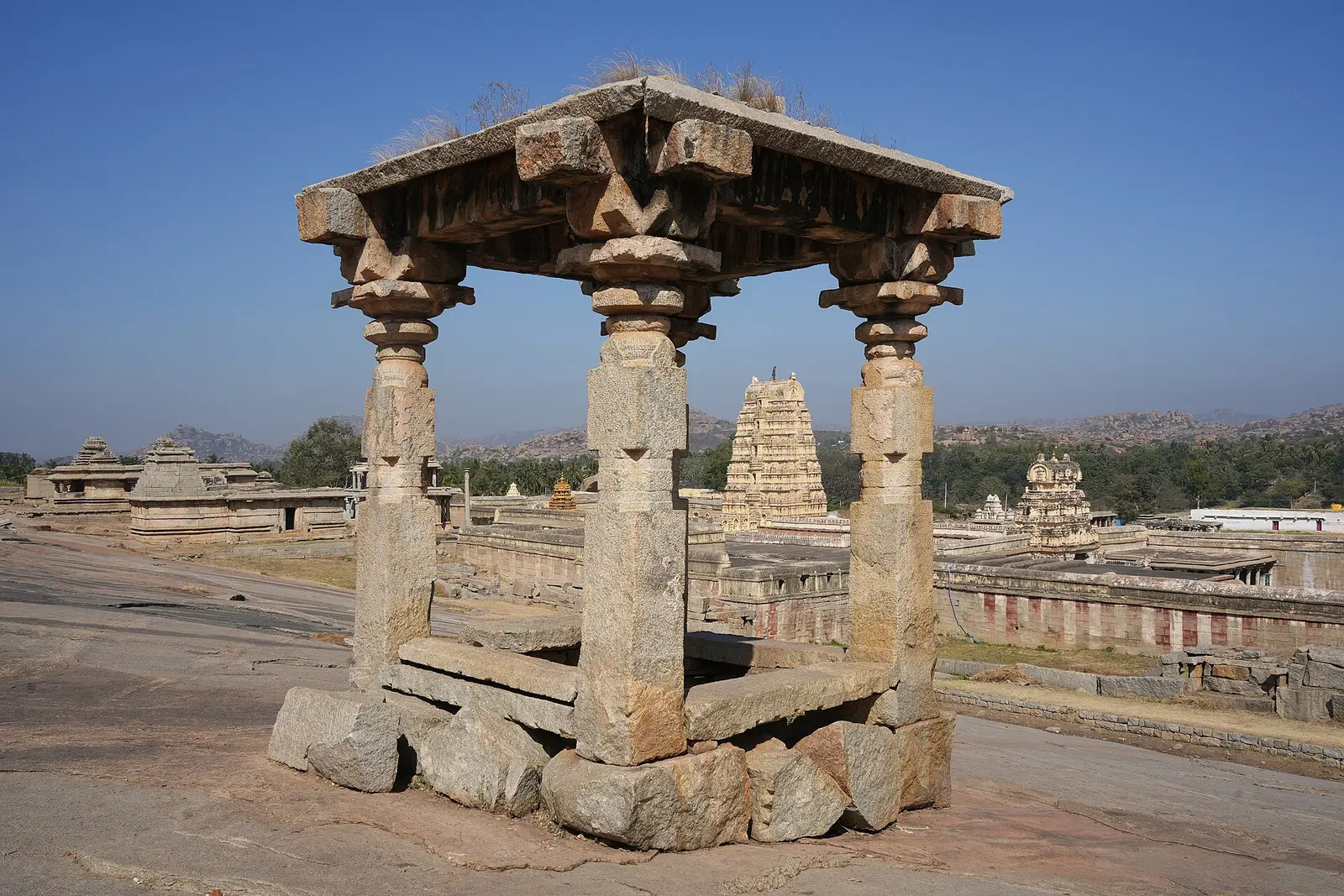
Ideal for Rajasthan's forts and deserts, Hampi, Kerala's backwaters and the beaches of Goa and the Andamans. The Rann of Kutch in Gujarat is in season, with its winter festival usually running across these months. Northern plains can be foggy, which sometimes delays flights into Delhi and nearby cities.
February
One of the best all-round months. Still pleasant in Rajasthan and the south, with clear skies. Gandikota in Andhra Pradesh and Majuli in Assam are comfortable to explore. Kashmir and Himachal still have snow at higher altitudes. It is also a good month for wildlife safaris in central India's tiger reserves, as the weather is mild and the parks are open; check the park's current season and safari booking rules.
Where to travel in India in summer (March–May)
In summer, head to the mountains: Kashmir, Himachal, Uttarakhand, Sikkim and, from late May, Ladakh. The plains and much of the south get very hot, especially from April.
March
A shoulder month with good weather in many places. Holi is celebrated across North India, with famous celebrations in Mathura and Vrindavan. Kashmir's spring begins, and Srinagar's tulip garden usually opens around late March or April. The Andamans and Goa are still good, with fewer crowds than winter.
April
Kashmir is at its spring best, with blossom in the valleys. Himachal hill stations, Darjeeling and Sikkim are pleasant. It is also a good month for the Andamans before the monsoon. Avoid the plains of Rajasthan and central India, which get very hot. In the south, Coorg, Ooty and Munnar make good cooler breaks, and Meghalaya is pleasant before the heavy rains arrive.
May
The month for hill escapes: Kashmir, Manali, Tirthan Valley and Chopta–Tungnath in Uttarakhand. Ladakh's season usually begins late in the month, though high passes may still be opening, so check road status. School holidays make this a busy month, so book flights early.
Where to travel in India in the monsoon (June–September)
In the monsoon, go to Ladakh and Spiti, which sit in the rain shadow, or embrace the rain in the Western Ghats, Kerala and Meghalaya. Avoid most beaches for swimming and expect some landslide disruptions in the hills.
June
Ladakh is in full season, with the Manali–Leh and Srinagar–Leh roads usually open. Kashmir and Gurez Valley are green and pleasant. The monsoon reaches Kerala and Mumbai, turning the ghats green. Our Ladakh tour package runs through these summer months.
July
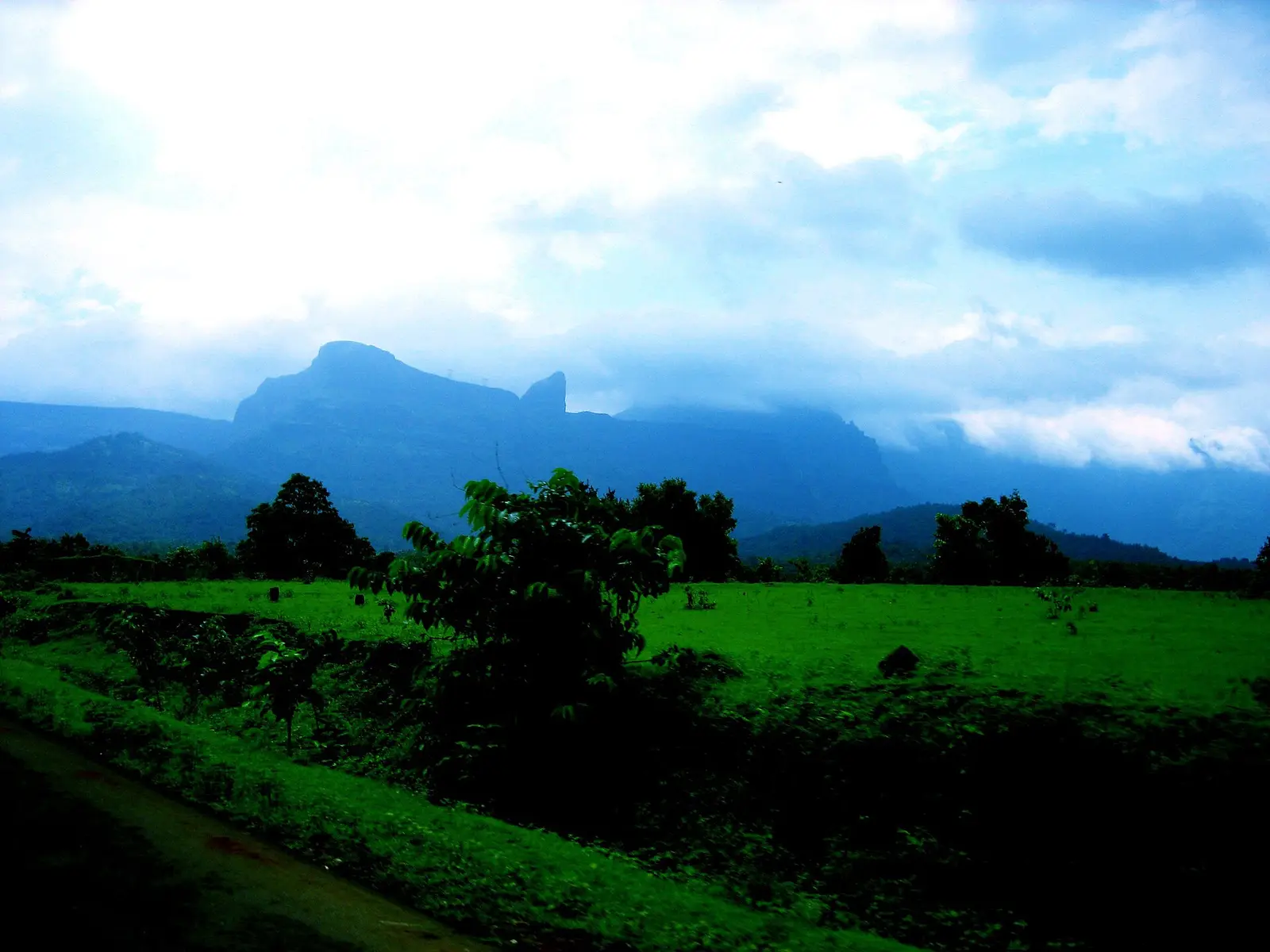
Best for Ladakh, Spiti and Chitkul in Himachal's Kinnaur district, all of which get relatively little rain. Uttarakhand's Valley of Flowers comes into bloom, though trekking during heavy rain needs care. Near Mumbai, it is peak season for Lonavala, Malshej and Bhandardara. Dzukou Valley in Nagaland is lush, with seasonal flowers on the slopes.
August
Ladakh and Spiti remain the safest mountain bets. Kerala's monsoon is a good time for Ayurveda treatments and quiet backwater stays at lower rates. Meghalaya's waterfalls are at full flow; see our Mawlynnong guide for a village base near the Bangladesh border. Kaas Plateau's flowers begin to bloom late in the month.
September
The monsoon starts withdrawing from the north-west. Kaas Plateau is usually at its peak. Ziro Valley in Arunachal Pradesh often hosts its music festival around this time, and the rice fields are golden; see our Ziro Valley guide. Indian citizens need an Inner Line Permit for Arunachal Pradesh. Ladakh is still open, with cooler nights.
Where to travel in India after the monsoon (October–November)
October and November are among the best months to travel almost anywhere in India: clear skies, green landscapes and festivals, before the winter crowds and prices peak.
October
Excellent for Himachal and Uttarakhand, with clear mountain views. Rajasthan cools down, and Navratri and Durga Puja bring festivals to Gujarat and Kolkata, with dates varying each year. Kerala, Meghalaya and Sikkim are fresh after the rain. The Andamans season begins. Diwali falls in October or November, so book early if your trip overlaps.
November
One of the best months of the year. Rajasthan is perfect, and the Pushkar camel fair usually falls in October or November. Majuli in Assam celebrates its Raas festival, and Gandikota is comfortable for camping. Goa, Kerala and the Andamans are in season with fewer crowds than December. Higher Himalayan passes start closing, so check before heading to Spiti or Ladakh by road. It is also a good time to plan a Kerala trip, as the post-monsoon greenery is at its best and hotel rates are usually lower than in the Christmas peak.
Best places to visit in India by month: quick list
Use this as a shortlist; each month's detail is above.
- January: Rajasthan, Kerala, Goa, Rann of Kutch, Andamans
- February: Rajasthan, Hampi, Majuli, Gandikota, Kashmir (snow)
- March: Holi in North India, Andamans, Goa, Kashmir
- April: Kashmir, Sikkim, Darjeeling, Andamans
- May: Kashmir, Himachal, Uttarakhand, start of Ladakh
- June: Ladakh, Kashmir, Gurez
- July: Ladakh, Spiti, Valley of Flowers, Sahyadris
- August: Ladakh, Kerala (monsoon), Meghalaya
- September: Kaas Plateau, Ziro, Ladakh
- October: Himachal, Uttarakhand, Rajasthan, Andamans
- November: Rajasthan, Majuli, Goa, Kerala
- December: Goa, Kerala, Andamans, Nagaland, Kashmir (snow)
Best time to visit by region
Each region of India has its own best season: the Himalaya in summer, the deserts and plains in winter, the coasts from October to May, and the North-East in autumn and spring.
- Ladakh and Spiti: June–September for road trips; flights to Leh run year-round, but winter is extremely cold.
- Kashmir: March–October for meadows and lakes; December–February for snow in Gulmarg.
- Himachal and Uttarakhand: March–June and September–November. The monsoon brings landslide risk on many mountain roads.
- Rajasthan and Gujarat: October–March. Summer is extremely hot.
- Goa and the Konkan coast: November–February for beaches; June–September for green landscapes and lower prices.
- Kerala: September–March for most travel; the monsoon for Ayurveda and a quieter trip.
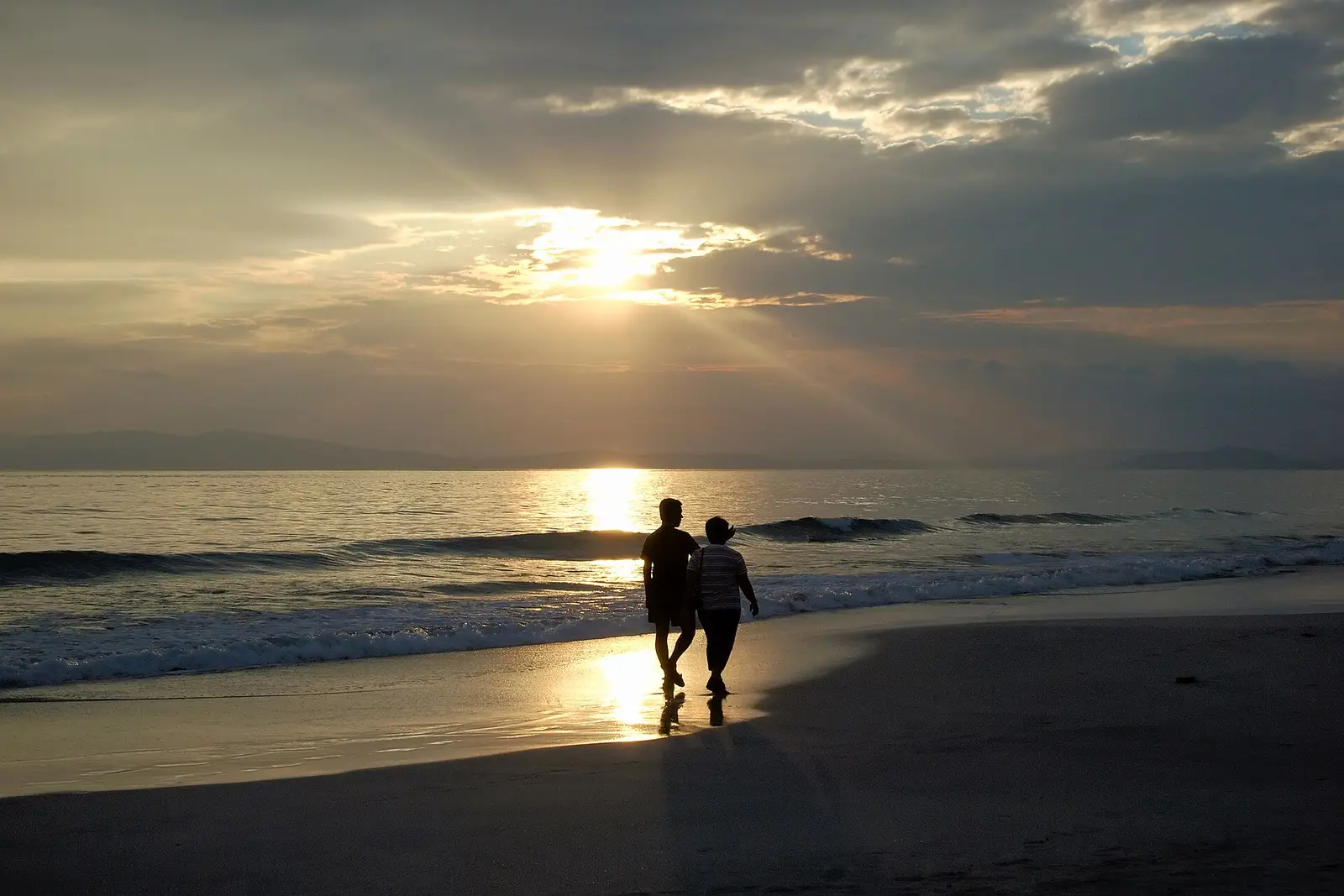
- Andaman Islands: October–May, with calmer seas for diving and ferries in the first half of that window.
- North-East (Meghalaya, Assam, Arunachal, Nagaland): October–April for most trips; Meghalaya's waterfalls are most dramatic in the monsoon.
- Karnataka and Tamil Nadu: October–February for temples, Hampi and the coast; Ooty, Coorg and Kodaikanal are good escapes in summer.
Tips for planning around India's seasons
Book peak-season trips early, travel in shoulder months for better prices, and always check road, weather and permit status before you go.
- Shoulder months save money. Late February–March and October–early November often combine good weather with lower prices than peak winter.
- Monsoon can be a bargain. Kerala and Goa hotels are often much cheaper in the rains.
- Check permits. Arunachal Pradesh and Nagaland require an Inner Line Permit for Indian citizens; parts of Ladakh and Sikkim need area permits.
- Allow buffer days for mountain trips, where weather and roads can change plans.
Not sure where to go in your travel month? Tell us your dates and interests and we will suggest a trip that fits the season.